

向下滚动
💿 产品详情
深入了解游戏世界
体验前所未有的游戏乐趣
极品采花郎。专业的游戏平台,为您提供优质的游戏体验。
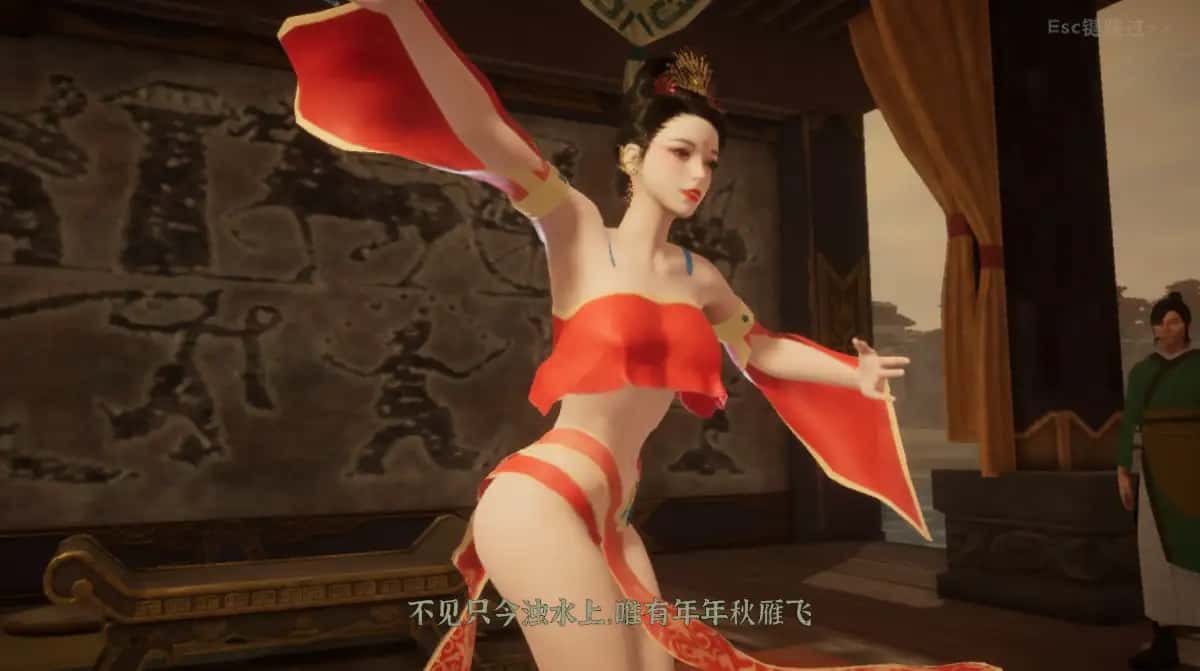
极品采花郎这是一款由[Salamander Interactive]开发商在2号上架steam平台 游戏主打的是肝!还是肝!重生之我在异世界当牛马 但是人物建模跟脸部都做的非常不错~难怪西门庆喜欢潘金莲 因为官方还没有做完整版,所以…但该有的上堡必须有的
动作战斗
流畅的战斗系统,爽快的打击感
开放世界
广阔的游戏世界等你探索
多人协作
与朋友一起冒险,共同成长
成就系统
丰富的成就和奖励等你收集
游戏截图



游戏信息
类型
动作冒险
平台
PC/Mobile
语言
中文
大小
2.5GB
🎙️ 游戏指南
掌握游戏技巧
成为游戏高手的秘诀
你扮演的主角穿越到了异世界的一家医馆杂役铁柱的身上。
为了返回现世,你需要达成一些特殊条件。
在达成条件的过程中,你将与美女们朝夕相处一段时日。
期间你会了解她们的故事,满足她们的需求,逐渐深入地发展亲密关系。
极品采花郎更新日志
1.3.1更新日志 2025.01.22
1、增加特别鸣谢
2、优化部分任务提示
3、修复角色眼球显示异常
4、修复玄霜部分体位显示异常
5、修复蛮女服务选项不消耗钱币
6、优化蛮女服务钱币不足的提示
7、优化部分动作穿模
V1.3.0 重大更新-2025-01-21
新角色 侠女-玄霜相关内容正式上线
内容包含角色剧情、专属玩法、多个全新的体位
完成前置剧情后解锁:
1、完成崔莺儿剧情
2、完成蛮女前置剧情
新增蛮女支线剧情(码头商人处触发)
极品采花郎优化修改:
1、金手指新增获得食物指令
2、设置增加是否锁帧选项(默认不锁帧)
3、设置增加摄像机纵向操作反转选项
4、传送动画调整为只有首次会播放
5、修复攻略后彤姨的互动任务无法完成
6、修复部分对诗的选项重复
V1.2.3 更新日志-2024-12-20
1、 新增夜袭,子时交互睡觉中的5心角色可进行夜袭
夜袭后解锁夜袭体位
夜袭后在对应房间醒来
2、优化高潮时手和头部的穿模问题
3、修复彤姨晨袭体位有部分时候手异常抽搐
4、修复彤姨鱼接鳞体位第一人称视角穿模
5、修复英文语言下绯燕发病的过场异常中断
6、修复特殊情况下绯燕互动后进入调教游戏异常
V1.2.2 更新日志-2024-11-26
1、新增晨袭功能
极品采花郎角色剧情推进到特定阶段后,每天起床概率触发晨袭,触发后解锁晨袭体位
2、新增男主房间内的自由H
3、修复部分分辨率下屏幕边缘弹窗显示异常
PS:关于下个版本侠女的更新,原定12月的版本预计可能需要延期3-4周才能完成。圣诞节版本调整为增加夜袭功能,可攻略角色均可解锁1个全新的夜袭体位。
V1.2.1 更新日志-2024.11.06
优化修改:
1、H模式增加灯光选项,可选择氛围光
2、优化第一视角增加防抖效果
3、优化崔莺儿脸部模型和妆容
4、修复绯燕斗法看向异常
V1.2.0 重大更新-2024.10.25
1、增加新的部位装扮,肚兜、裹胸、裙子等
极品采花郎官网每种款式都可单独选择颜色或图案供玩家自由搭配
2、剧情配音重制(无常相关暂时不变)
3、优化跳跃动作
4、修复伞店老板没有卖出选项
5、修复猿博姿势时头部跟随摄像机旋转角度异常的问题
6、修复草堂楼梯下方卡脚的问题
🧹 快速下载
开始你的冒险之旅
免费下载,即刻体验
2.3M+
总下载量
4.9/5
用户评分
900K+
活跃玩家
安全下载
高速安装
完全免费
24/7支持
系统要求
Windows 10+
8GB RAM
GTX 1060
50GB 存储