永恒世界一款突破性的虚拟现实MMORPG游戏,通过尖端的神经植入技术,为您带来前所未有的沉浸式体验。在这里,虚拟与现实的界限被完全模糊,每一个感官体验都令人难以置信的真实。
核心特色
- 沉浸式游戏体验
- 精美的视觉效果
- 丰富的游戏内容
- 多平台支持
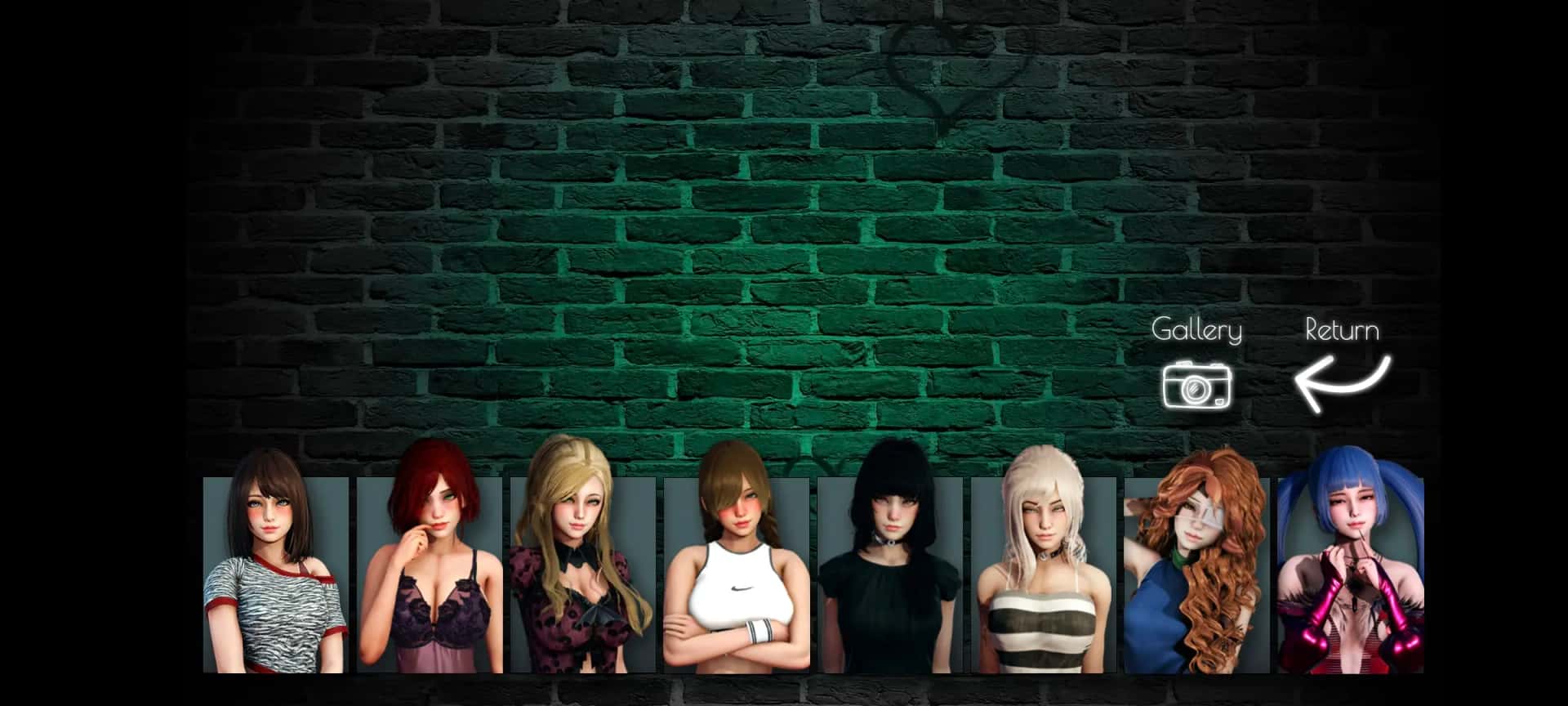
永恒世界一款突破性的虚拟现实MMORPG游戏,通过尖端的神经植入技术,为您带来前所未有的沉浸式体验。在这里,虚拟与现实的界限被完全模糊,每一个感官体验都令人难以置信的真实。
重要更新:永恒世界游戏音乐的变化
由于音乐平台的许可和指南问题,我们不得不从游戏中删除所有内容。多亏了社区成员的努力,我们用替代品替换了那些歌曲,确保游戏体验不受影响。
永恒世界ETERNUM [0.8] - 公开发布
感谢大家的参与并玩得开心!希望你喜欢它!现在,永恒世界0.8版本已面向所有玩家开放,带来全新游戏内容和技术优化。
永恒世界下载ETERNUM [0.8] - 变更日志和发布日期
1650+张新图片,80+个新动画,16750+行新代码,38+首新音乐曲目,150+种新音效,更新的用户界面,修复了多个渲染和代码问题。
本攻略基于作者的官方攻略与国外Tanxui大神做的被动攻略mod,我做了一些补充、和谐文本、说明与扩展,文本较长,每个字都是纯手打,先求一个点赞啦
永恒世界最佳路线:
在永恒世界的官方攻略里,作者给出了一条最佳路线——也即获得最多好感,不丢失任何路线,并且可以看到几乎全部剧情的路线。在你现在正在看的这篇攻略里,会给出最佳路线。不过,游戏也提供了允许犯错的空间,即使不严格按照最佳路线来, 也不会出现大问题!
我会把最佳路线颜色标为红色
每一章的题目标为绿色
选项的说明内容标为粉色
角色的好感变化会标为黄色
金钱变化标为蓝色
下面正文开始!
v0.1 - 信仰之跃
1.1 - 开场
1.1.1 选择:是否开启怀孕内容
是 - 这个选择目前没有任何影响,从作者前作《一生一次》来看,即使开启也不会有新内容,可能会对后期的一些对话的变化与结局动画的改变,所以这里选择什么都好。
否
1.2 - 抵达雷克顿
1.2.1 选择:常和安妮逼你选出最好的朋友
常
安妮 - 安妮+1
1.2.2 选择:电话响了
接电话 - 会第一次听到卡吕普索与阿克戎
让它响着 - 跳转至1.2.4
1.2.3 选择:一个老奶奶想打电话
让她打电话 - 南希+1
让她等着
1.2.4 选择:达莉亚和佩妮想出门
让她们留下
要求回报永恒世界官网
让她们走 - 佩妮+1 达莉亚+1
1.3 - 噩梦
1.3.1 选择:你愿意帮我们吗
愿意
不愿意
1.4 - 第一天
1.4.1 选择:南希提议在你的门上装锁
好主意 - 会错过一个南希的小剧情
只要敲门就够了
没那个必要 - 南希+1
1.4.2 选择:你在想什么
在想你的身体
想你说的话 - 佩妮+1
什么也没想
1.4.3 选择:有人在和安妮说话
对这人礼貌点 - 安妮+1
对这人表现攻击性 - 安妮+2
当作没看到去上学
1.4.4 选择:露娜邀请你去她家的咖啡店
参加 - 露娜+1
不参加
1.4.5 选择:南希让你做家务
帮忙 - 南希+1
不帮忙 - 跳转至1.6
1.4.6 选择:打扫浴缸
仔细打扫 - 稍后南希+1
随便打扫
1.4.7 选择:达莉亚进入浴室
从浴缸里出来 - 跳转至1.6,并失去一个达莉亚小剧情
继续躲着
1.5 - 浴室美景
1.5.1 选择:达莉亚质问你
我睡着了
我没听见你
我被你的美貌迷住了 - 达莉亚+1
1.6 - 问答比赛开始前
1.6.1 选择:佩妮的粉丝想揩油
帮她解围 - 佩妮+1
不干涉
1.7 - 问答比赛【要想获胜,必须在9个问题中答对7个,但其中有一个是必须错的,如果失败就必须重来,直到通过】
1.7.1 问题:最早在推特上达到1亿粉丝的名人是谁
克里斯蒂亚诺·罗纳尔多
贾斯丁·比伯
埃隆·马斯克
凯蒂·佩里
1.7.2 问题:柏林墙的拆除工作是从哪一年开始的
1988
1989
1990
1991
1.7.3 问题:梅尔·吉布森的中间名是什么【这个问题没有正确答案】
布鲁诺
艾伦
帕特里克
永恒世界
麦克斯韦尔
1.7.4 问题:地球的直径是多少
7000英里
8000英里
9000英里
200万英里
1.7.5 问题:一具尸体完全腐烂到只剩下骨头需要多久
1个月又14天
2个月又7天
3个月又21天
4个月又28天
1.7.6 问题:希腊神话中的农业女神是谁
埃尔忒尼斯
帕耳塞福涅

德莫忒耳
芙蕾雅
1.7.7 问题:水星绕太阳一周需要多久
88天
101天
215天
365天
1.7.8 问题:按占GDP比重来看,哪个国家的税率最高
比利时
古巴
黑山共和国
东帝汶
1.7.9 问题:开发永恒世界的公司尤利西斯,其最大的股东是谁
蒂莫西·伯德
本杰明·法罗
威廉·巴多特
詹姆斯·布朗克
1.7.10 结果:最终结果
如果答对7个及以上便获胜,可以继续剧情
如果答对6个及以下便失败,需重新开始这个环节
1.8 - 凯旋之夜
1.8.1 选择:露娜祝贺你
抱她 - 露娜+1
保持距离
1.8.2 结果:南希评价你的打扫
如果1.4.6彻底打扫了浴缸 - 南希+1
1.8.3 选择:查看佩妮在Ins上的照片
点赞 - 稍后佩妮+1
不点赞
1.9 - 清晨南希小剧情【在1.4.1没有给门装锁才可以触发这个剧情】
1.10 - 艾恩之前
1.10.1 选择:遇见亚历克斯
称赞她的纹身
称赞她的游泳技术
永恒世界称赞她的头发
称赞她的笔 - 亚历克斯+1
1.10.2 对话:伊德利尔想你介绍永恒世界
选几个都无所谓,新玩家可以都点一下了解一下游戏背景
1.11 - 艾恩服务器
1.11.1 选择:信仰之跃
跳下去
不跳下去 - 最终还是会跳的
【安妮送你钱,金钱+1500】
1.11.2 选择:测试X光眼镜
启动眼镜 - 可以看安妮
不启动眼镜
1.11.3 选择:购买快快的商品
买下铲子
买下手枪
买下眼镜
买下吊坠 - 稍后安妮+1,并且在后续的剧情中可以救你一命
【购买物品,金钱-300】
1.11.4 选择:安妮去拿剑
四处转转
等着安妮 - 会错过伊娃的剧情,跳转至1.13
1.11.5 选择:在阿弗洛狄忒
跟着伊娃 - 金钱-1200,但稍后伊娃会把钱还给你
离开 - 结束伊娃剧情,跳转至1.13
1.12 - 伊娃动画【这是游戏开始到现在第一个动画】
伊娃退还了你的钱 - 金钱+1200
后续还会在6.13.2见面
1.13 - 艾恩服务器【续】
1.13.1 - 安妮问你买了什么1.11.3
如果买了吊坠 - 安妮+1
1.13.2 选择:本杰明欺负一个女生
干预 - 安妮+1
袖手旁观
1.14 - 艾恩之后
1.14.1 - 结果:佩妮谈论昨晚照片点赞的事1.8.3
如果你点赞了佩妮的照片 - 佩妮+1
1.14.2 选择:佩妮邀请你去拍照
跟她一起去
不跟她一起 - 佩妮线断掉
1.14.3 选择:南希邀请你去上瑜伽课
跟她一起去
不跟她一起 - 南希线断掉
1.15 - 艾卡巴地牢
1.15.1 小游戏:在合适的时机袭击孔
在达莉亚说出“你就是个傻逼”时攻击 - 达莉亚+1
不可以出手太早或太晚或不出手
1.15.2 选择:塔纳托斯现身并抢走宝石
带上达莉亚的东西逃跑
不抛下达莉亚 - 达莉亚+1
1.16 - 电脑课
1.16.1 选择:达莉亚邀请你去健身房
跟她一起去
不跟她一起 - 达莉亚线断掉
v0.2 - 迷盒
2.1 - 本杰明之死
2.1.1 选择:安妮想和你一起去红鲱鱼
让安妮一起来
不让安妮一起来 - 安妮线会在2.4.4断掉
2.1.2 选择:阿克塞尔在楼梯间质问你
给他一拳 - 稍后亚历克斯+1
让他冷静
2.1.3 选择:诺娃对自己的电脑桌面感到难为情
那个角色把他的眼睛遮住了,所以你才用了这张壁纸吗
很好啊,我也喜欢动画 - 诺娃+1
你那个纹身是什么
2.2 - 红鲱鱼服务器
2.2.1 结果:参与人数
如果你让安妮来了红鲱鱼服务器2.1.1,那么安妮会与你同行并解锁4号服装【快快
卖给你一个泰迪熊 - 金钱-30】
2.2.2 选择:快快想卖给你一个动物
接受第一个报价 - 金钱-300,稍后露娜+1,可以任选一个动物,但你选的动物会对
接下来的剧情产生影响7.6.1
先拒绝,然后接受第二个报价 - 金钱-150,稍后露娜+1,可以任选一个动物,但你
选的动物会对接下来的剧情产生影响7.6.1
拒绝第二个报价
2.2.3 选择:由谁去弗林克家
自己去 - 露娜+2
让露娜去 - 露娜线会在稍后断掉2.4.3,并跳转至2.4
2.3 - 弗林克家
此环节是自由探索环节,会触发一些恐怖内容,但不会死亡或者失败,所以放心探
索就行
任务顺序:
a.先去客厅,然后去卧室
b.去办公室接电话
c.去卧室旁的安全室
d.确认卫生间的蜡烛数量为3,洗衣房的恐龙数量为2,花园内木头的数量为18
e.打开保险箱,密码为:3-2-18
2.4 - 红鲱鱼之后
2.4.1 结果:你告诉露娜给她买了礼物
如果你给露娜买了动物2.2.2,并且自己去了弗林克家2.2.3 - 露娜+1
2.4.2 选择:还有事吗
问她手套的事
不问她 - 露娜线断掉,并跳转至2.4.4
2.4.3 结果:露娜犹豫要不要回答
如果露娜好感≥4,并且你自己去了弗林克家2.2.3 - 露娜+1,并向你敞开心扉
否则露娜线断掉
2.4.4 结果:回家
如果你让安妮去了红鲱鱼2.1.1 - 继续剧情
如果你没让安妮去红鲱鱼 - 安妮线断掉,并跳转至2.6
2.4.5 选择:安妮被吓到了
让她睡在你的房间里
让她回自己房间 - 安妮线断掉,并跳转至2.6
2.5 - 安妮动画:午夜慰籍
2.5.1 结果:安妮在睡梦中抓住你的胳膊
如果安妮好感度≥3 - 继续剧情
否则 - 安妮线断掉,并跳转至2.6
2.5.2 选择:安妮脱下T恤
就此罢休 - 安妮线断掉,并跳转至2.6
更进一步 - 安妮+1
2.6 - 舒适的早上
2.6.1 选择:南希让你帮忙叫醒达莉亚【要求南希路线与达莉亚路线都没有断掉】
去帮忙做早餐 - 南希+1 达莉亚+1
去叫醒达莉亚
【如果南希路线在,但达莉亚路线断掉,那么南希+1不会显示】
【如果达莉亚路线在,但南希路线断掉,那么达莉亚+1不会显示】
2.7 - 瑜伽课【要求南希路线没有断掉,否则跳转至2.9】
2.7.1 选择:要让常给米凯拉买什么
鲜花 - 常+1
哑铃 - 常+1
演出的票 - 常+1
什么也不买
2.7.2 选择:凯想对南希出手
不插手南希的私生活 - 南希路线断掉,并跳转至2.9
帮忙
2.7.3 选择:诺亚和劳尔索要报酬
请诺亚和劳尔帮忙 - 南希+1,金钱-50
还是算了 - 南希路线断掉,并跳转至2.9
2.8 南希澡堂剧情 - 淋浴密谋
2.9 - 和亚历克斯做小组作业
2.9.1 选择:诺娃迫不及待地报告她的成果
摸她的头 - 诺娃+1
只用言语表扬她
2.9.2结果:聊到阿克塞尔
如果你在楼梯间打了阿克塞尔2.1.2 - 亚历克斯+1
2.9.3 对话:了解亚历克斯【如果问纹身的事,那么你会看的更多】
问完四个问题 - 亚历克斯+1
不问完四个问题
2.9.4 选择:威廉打了亚历克斯一耳光
保持安静 - 亚历克斯线断掉,并跳转至2.10
说些什么
2.9.5 选择:亚历克斯抱住了你
抱她 - 亚历克斯+1
不抱她
2.9.6 结果:在走之前
如果亚历克斯好感≥2 - 她会允许你叫她亚历克斯,而不是亚莉珊德拉
否则 - 亚历克斯线断掉
2.10 - 第二次噩梦
2.10.1 选择:你愿意帮我们吗
愿意 - 无脑选愿意
不愿意
2.11 - 诺娃的第一部手机
2.11.1 选择:问诺娃卡吕普索的事
给她打电话 - 解锁2号服装 诺娃+1
给她发信息
2.12 - 拍照【要求佩妮线没断,否则跳转至2.15】
2.12.1 选择:在零食桌前
给佩妮拿甜甜圈 - 跳转至2.12.3
给佩妮拿咖啡
2.12.2 选择:加多少糖
加1勺糖
加2勺糖
加3勺糖 - 佩妮+1
2.12.3 选择:拍照
镜头拉近拍照
保持当前距离 - 佩妮+1
镜头拉远拍照
2.12.4 选择:瓦伦提诺先生想羞辱佩妮
说服佩妮 - 佩妮路线断掉,并跳转至2.14
让瓦伦提诺先生滚蛋 - 佩妮+1
2.13 - 佩妮动画:完美快门
2.14 - 拍照【续】
诺娃出现解锁3号服装
2.14.1 - 选择:诺娃找到了进入奥杰吉厄的方法
称赞她 - 诺娃+1
不浪费时间
2.15 - 寻找卡吕普索
2.15.1 选择:神秘盒子
让亚历克斯打开盒子
自己打开盒子 - 亚历克斯+1 诺娃+1
让诺娃打开盒子
立即开始你的游戏之旅
暂无相关链接